
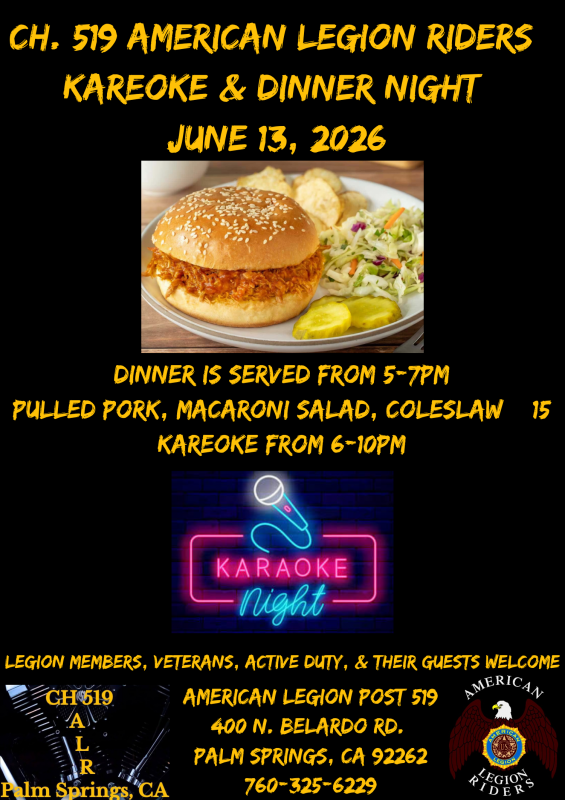
06/13/2026
6:00 pm to 10:00 pm

06/20/2026
9:00 am to 4:00 pm


06/06/2026
8:00 am to 3:00 pm
Join ALR 119
FOR THEIR ANNUAL
POKER RUN

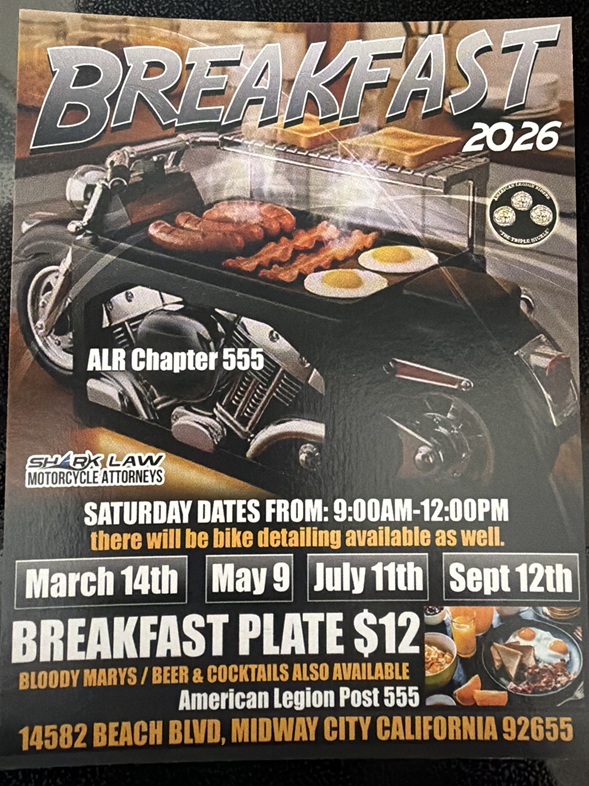
07/11/2026
9:00 am to 12:00 pm
BREAKFAST 2026
With ALR 555
March 14 2026


07/11/2026
8:00 am to 3:00 pm
ALR 328´s
HIGH LIMITS
POKER RUN

07/11/2026
10:00 am to 3:00 pm
JOIN ALR 95
For Their
3rd Annual
BIKE SHOW
Live-Music-Food-Vendors-Raffles
.png)
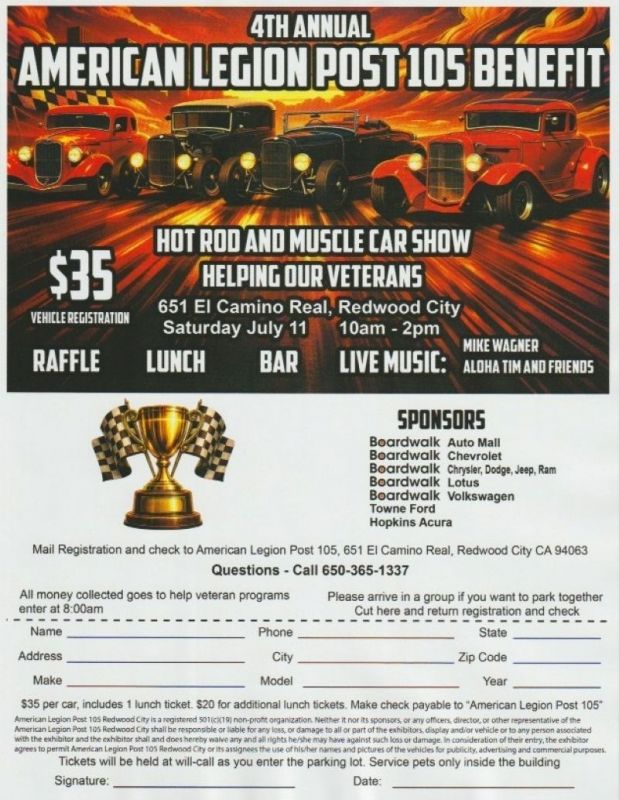
07/11/2026
10:00 am to 2:00 pm
ALR 105 4th Annual
HOT ROD & MUSCLE CAR SHOW

06/20/2026
8:00 am to 3:00 pm


06/20/2026
11:00 am to 4:00 pm
ALR 519´s
CAMARADERIE RUN
.png)
06/12/2026
6:00 pm to 10:00 pm


06/20/2026
4:00 pm to 4:30 pm

UPCOMING MEETINGS
6-18 DEC Meeting
7 PM via ZOOM
(1 Week Early)
--
7-23 DEC Meeting
7 PM via ZOOM
--
8-27 DEC Meeting
7 PM via ZOOM
--
9-11 DEC Meeting
6 PM in Person
Post 635@Rally
--
10-22 DEC Meeting
7 PM via ZOOM
--
11-19 DEC Meeting
7 PM via ZOOM
1 Week Early
--
12-17 DEC Meeting
7 PM via ZOOM
1 Week Early

*NEWS FLASH*
Posted: Saturday May 30, 2026
Andersonville: The Deadly Confederate Prison Camp
Andersonville, or Camp Sumter as it was known officially, held more prisoners at any given time than any of the other Confederate military prisons. It was built in early 1864 after Confederate officials decided to move the large number of Federal prisoners in and around Richmond to a place of greater security and more abundant food. During the 14 months it existed, more than 45,000 Union soldiers were confined here. Of these, almost 13,000 died from disease, poor sanitation, malnutrition, overcrowding, or exposure to the elements.
The prison pen was surrounded by a stockade of hewed pine logs that varied in height from 15 to 17 feet. The pen was enlarged in late June 1864 to enclose 261/2 acres. Sentry boxes—called “pigeon roosts” by the prisoners—stood at 90-foot intervals along the top of the stockade and there were two entrances on the west side. Inside, about 19 feet from the wall, was the “deadline,” which prisoners were forbidden to cross. The “deadline” was intended to prevent prisoners from climbing over the stockade or from tunneling under it. It was marked by a simple post and rail fence and guards had orders to shoot any prisoner who crossed the fence, or even reached over it. A branch of Sweetwater Creek, called Stockade Branch, flowed through the prison yard and was the only source of water for most of the prison.
In an emergency, eight small earthen forts around the outside of the prison could hold artillery to put down disturbances within the compound and to defend against Union cavalry attacks.
The first prisoners were brought to Andersonville in late February 1864. During the next few months, approximately 400 more arrived each day. By the end of June, 26,000 men were penned in an area originally meant for only 10,000 prisoners. The largest number held at any one time was more than 33,000 in August 1864. The Confederate government could not provide adequate housing, food, clothing or medical care to their Federal captives because of deteriorating economic conditions in the South, a poor transportation system, and the desperate need of the Confederate army for food and supplies.
These conditions, along with a breakdown of the prisoner exchange system between the North and the South, created much suffering and a high mortality rate. “There is so much filth about the camp that it is terrible trying to live here,” one prisoner, Michigan cavalryman John Ransom, confided to his diary. “With sunken eyes, blackened countenances from pitch pine smoke, rags, and disease, the men look sickening. The air reeks with nastiness.” Still another recalled, “Since the day I was born, I never saw such misery.”
When General William T. Sherman’s Union forces occupied Atlanta, Georgia on September 2, 1864, bringing Federal cavalry columns within easy striking distance of Andersonville, Confederate authorities moved most of the prisoners to other camps in South Carolina and coastal Georgia. From then until April 1865, Andersonville was operated in a smaller capacity. When the War ended, Captain Henry Wirz, the prison’s commandant, was arrested and charged with conspiring with high Confederate officials to “impair and injure the health and destroy the lives…of Federal prisoners” and “murder in violation of the laws of war.” Such a conspiracy never existed, but public anger and indignation throughout the North over the conditions at Andersonville demanded appeasement. Tried and found guilty by a military tribunal, Wirz was hanged in Washington, D.C., on November 10, 1865. Wirz was the only person executed for war crimes during the Civil War.
Andersonville prison ceased to exist when the War ended in April 1865. Some former prisoners remained in Federal service, but most returned to the civilian occupations they had before the War. During July and August 1865, Clara Barton, along with a detachment of laborers and soldiers, and former prisoner Dorence Atwater, came to Andersonville cemetery to identify and mark the graves of the Union dead. As a prisoner at Andersonville, Atwater had been assigned to record the names of deceased Union soldiers for Confederate prison officials. Fearing loss of the death records at war's end, Atwater made his own copy of the register in hopes of notifying the relatives of the more than 12,000 dead interred at Andersonville. Thanks to Atwater’s list and the Confederate death records captured at the end of the War, only 460 of the Andersonville graves had to be marked “Unknown U.S. soldier.”
This article was adapted from National Park Service brochure "Andersonville."
Read on News pagePosted: Sunday February 22, 2026
Explore California’s stunning coastline from San Francisco to San Diego
The legendary Pacific Coast Highway (PCH) was first started in the 1930s, and remains a marvel of human effort that hugs over 900 kilometers (600 miles) of California’s rugged and beautiful coastlines. It is one of the most astoundingly scenic roads in the world, meant to be traversed slowly, while gasping at the mountains, towering trees, expansive beaches and endless sky. It also affords travelers an unparalleled opportunity to dip into all the character California has to offer: pioneer outposts, surfing villages, farm-fresh foods, local wine, roadside kitsch, Hollywood glitz and bohemia.
Before you get started on your road trip, some helpful tips: Without stopping, it takes approximately 10 hours to drive the entire length of the Pacific Coast Highway, but on this route, it’s recommended to take your time to see the sights and stay overnight along the way, stretching your vacation out to at least six days. Thanks to California’s mild weather, you can drive the Pacific Coast Highway at any time of year. Just a few of the areas you will pass thru:
Big Sur
You’ll see rugged mountains blanketed with dreamy redwood forests drop into dramatic coastline. While you can camp within the forests, those who prefer beds should consider Deetjen’s Big Sur Inn, which feels a bit like staying with your fabulous bohemian aunt. Explore the nearby Henry Miller Memorial Library and when you grow hungry from hiking, dine on classic California cuisine (local wine and farm-fresh produce, anyone?) on the lofty patio at Nepenthe while gazing out at the ocean.
Morro Bay
Your chances of encountering California’s diverse fauna are high in Morro Bay, a small city on (surprise!) a large bay and estuary. At Morro Bay State Park, you may see any number of wild animals including blue herons, monarch butterflies, hummingbirds and – yes – adorable, fluffy sea otters. The park offers trails, a small museum and picnic benches, making it a perfect road trip stop for when you’re feeling peckish and need to stretch your legs.
San Luis Obispo
Cruise down the PCH to the mellow college town nicknamed SLO, where you can tour quirky attractions such as the colorful Bubblegum Alley. Before you go, be sure to sample local wines at one of more than 30 nearby wineries, or take a hike to the nearby Point San Luis Lighthouse for fresh air and stunning views. While the town has many great places to stay, the delightfully gaudy Madonna Inn offers themed rooms like Caveman and Showboat. You don’t need to stay there to enjoy the outrageous interior, which features Western murals, ornate chandeliers, flocked wallpaper – and pink, pink and more pink. Order a slice of (pink) cake at the counter and soak up the atmosphere.
Santa Barbara
Santa Barbara is the perfect embodiment of California’s two personalities: Beachy casual meets glitz. (Oprah owns an estate here.) This is a city filled with adobe homes, Spanish Colonial Revival architecture and mansions. Shop and explore the city’s unpretentious arts district known as the Funk Zone after taking in the city’s colonial history at the Old Mission Santa Barbara. Get a scoop of Churros Con Leche or Boysenberry Rose Milk Jam ice cream at McConnell’s Fine Ice Creams and enjoy fresh seafood and ocean views at Enterprise Fish Co. where you can sup on $1.50 oysters during happy hour. If you’re feeling adventurous, cut 20 minutes inland to Cold Spring Tavern, a bar and restaurant established in 1886 as a stagecoach stop. Then take advantage of the balmy weather and catch a movie at the Westwind Drive-In.

Help Veterans helping Veterans
by donating to the
American Legion Riders
Department of California
Website designed and donated by
Jim Oxley